
What Indian Exporters Must Get Right Before the Financial Phase Begins
The India–EU Free Trade Agreement signed in 2026 signals a deeper strategic alignment between India and Europe. Lower tariffs, improved market access, and long-term trade stability create meaningful upside for Indian exporters.
But the agreement does not soften Europe’s climate expectations.
From January 1, 2026, the European Union’s Carbon Border Adjustment Mechanism entered its financial phase. CBAM is no longer a reporting exercise. It becomes a direct cost driver, a compliance threshold, and a competitive filter for Indian exports entering the EU.
While the legal obligation to declare and pay CBAM charges sits with the EU importer, the operational responsibility for emissions data rests entirely with the Indian exporter. This distinction is critical and often underestimated.
Why CBAM and BRSR Core Must Be Read Together
For publicly listed Indian companies with significant EU exposure, sustainability reporting can no longer sit in silos. CBAM has effectively connected climate performance, financial risk, and trade competitiveness into a single regulatory lens.
Most organizations still approach CBAM as a technical emissions problem and BRSR Core as a statutory disclosure requirement. In reality, they are two sides of the same system.
CBAM demands product-level, supplier-level, and process-level emissions data with financial-grade accuracy. BRSR Core demands board-approved, assured, and decision-useful sustainability data for Indian regulators and capital markets.
When addressed together, both become easier to manage.
What Changes for Indian Exporters in 2026
During the CBAM transitional phase ending December 31, 2025, reporting was mandatory but no financial penalties applied.
From 2026 onwards, verified emissions data becomes the basis for financial liability. If an exporter does not provide accurate and verified data, EU importers are required to apply conservative default values. These values are intentionally high and can materially increase the landed cost of Indian goods.
In practical terms, the exporter determines whether their product remains commercially viable in the EU market.
For CFOs, CBAM is not a sustainability issue. It is a cost of goods sold issue. Embedded carbon becomes a trade exposed cost similar to duties, logistics, or raw material volatility. BRSR Core provides the governance, controls, and assurance structure finance teams already recognise.
For CSOs, CBAM converts climate ambition into operational accountability. Scope 1 and Scope 2 accuracy become non-negotiable. Supplier engagement is no longer optional. BRSR Core provides the framework to institutionalise this across the enterprise.
For department heads, CBAM reporting relies on data they already manage energy use, production volumes, procurement inputs, and logistics. BRSR Core ensures this data is standardised, reviewed, and traceable.
For boards, CBAM and BRSR Core together answer a single strategic question
Are we future-ready in a carbon-constrained global market?
| Readiness Area | CBAM Requirement | BRSR Core Alignment |
|---|---|---|
|
Governance and Oversight |
Clear accountability for emissions data and EU export disclosures |
Governance section covering board oversight and senior management responsibility |
|
Organizational Boundary and Asset Coverage |
Defined system boundaries for installations, processes, and export linked assets |
Principle 6 and Principle 7 on environmental performance and value chain |
|
Scope 1 and Scope 2 Emissions Accuracy |
Verified direct and energy emissions at installation level |
Mandatory disclosures on energy consumption and greenhouse gas emissions |
|
Emissions Intensity Linked to Production |
Emissions per tonne or per unit of product exported to the EU |
Operational efficiency and resource intensity disclosures |
|
Supplier and Input Material Emissions |
Limited use of default values and preference for primary supplier data |
Value chain disclosures and responsible sourcing |
|
Data Controls and Documentation |
Retention of source documents and calculation logic |
Data integrity and assurance readiness |
|
Internal Review and Sign Off |
Accurate quarterly submissions with management accountability |
Board approved sustainability disclosures |
|
External Assurance Readiness |
Likely third-party verification in subsequent phases |
Reasonable assurance for BRSR Core metrics |
Who Owns CBAM Inside the Organisation
CBAM cannot be managed by a single function.
Effective exporters are already assigning clear roles. Sustainability teams manage emissions measurement and methodologies. Logistics and compliance teams map products to CBAM CN codes and coordinate with EU importers. Finance teams assess cost impacts and pricing risk. Senior management and boards drive investment decisions, supplier alignment, and decarbonization strategy.
CBAM is as much a governance challenge as it is a technical one.
The Real Risks of Getting This Wrong
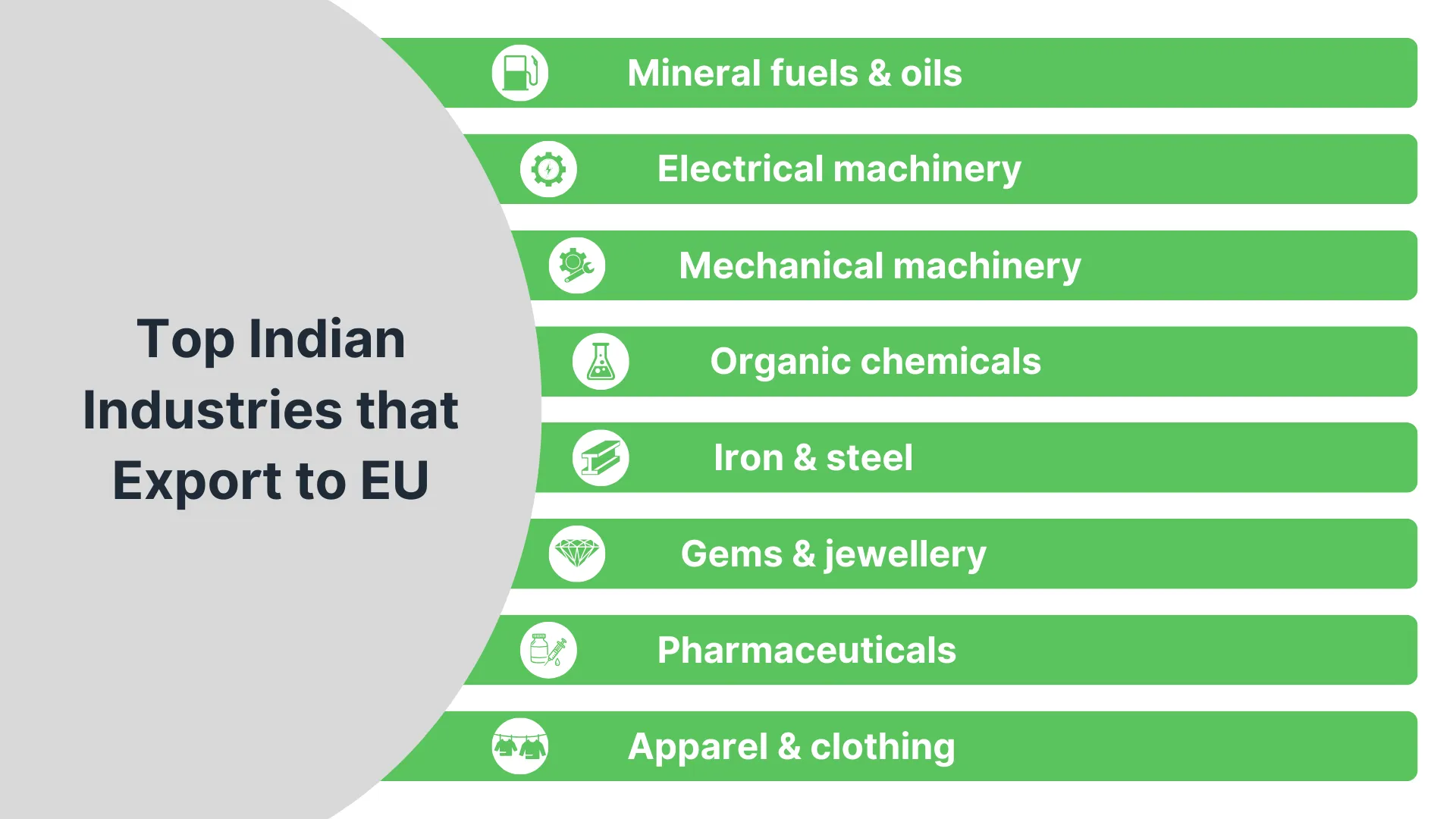
Poor CBAM readiness leads to higher landed costs from default values, loss of preferred supplier status, erosion of tariff benefits under the India–EU FTA, and potential shipment delays or rejections. In carbon-intensive sectors such as steel, aluminium, cement, and fertilisers, these risks directly threaten market access.
Why This Matters Now
Organizations that treat CBAM as a standalone EU compliance exercise will struggle with scale, cost, and credibility.
Those that anchor CBAM within their BRSR Core architecture gain lower compliance risk, stronger data credibility, and better positioning with global customers and investors.
If your ESG report is ready to be assessed, CBAM will feel like validation.
If it is only ready to be published, the gaps will surface quickly.
And the market will notice.
Reference Links
Related posts